Loading...
Serving Shelton, CT and surrounding areas. (475) 897-6123
Shelton Concrete serves Bridgeport property owners with concrete parking lots, driveways, patios, retaining walls, steps, and foundation work. Connecticut's largest city has pre-1940 housing, dense urban lots, and salt-air exposure from Long Island Sound - all conditions Shelton Concrete handles every season. We reply to new inquiries within one business day.
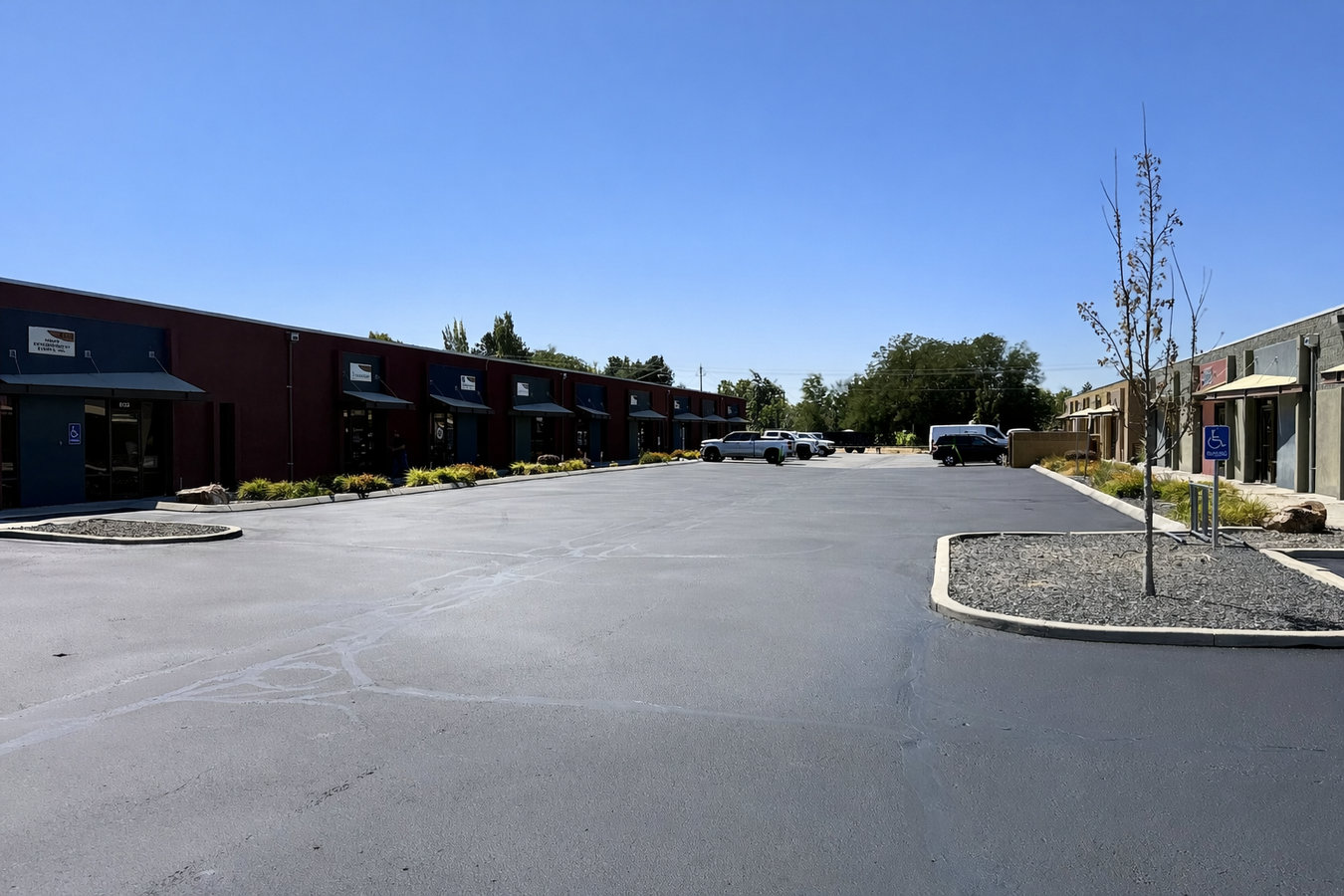
Bridgeport has a significant number of multi-family properties and small commercial buildings where off-street parking lots have deteriorated well past the point of patching. Our concrete parking lot building work in Bridgeport accounts for tight urban site access, proper stormwater drainage to meet city standards, and the heavier vehicle loads that multi-unit properties see every day. A properly graded concrete lot lasts decades longer than asphalt on Bridgeport's older urban sites.
Most Bridgeport driveways are narrow urban strips between homes that are only a few feet apart, and older driveways in neighborhoods like the East Side and Brooklawn often show decades of frost heaving, edge cracking, and surface spalling. When the damage covers more than half the surface, a full replacement with a properly prepared base and air-entrained mix will outperform repeated patching for years to come.
Parts of Bridgeport - particularly in the North End and toward Trumbull - have sloped lots where retaining walls are the only thing keeping yard soil from sliding toward the foundation or the neighbor's property. Old masonry walls in these areas often have no drainage behind them and are slowly being pushed out by hydrostatic pressure. A properly designed concrete retaining wall with drainage aggregate and weep holes solves the problem at the root rather than just at the surface.
Bridgeport's older homes - including the Victorian and craftsman houses in Black Rock and the triple-deckers throughout the city - commonly have front entry steps that have settled away from the foundation, cracked through the risers, or broken at the edges. Steps that move are a safety problem, especially in winter when ice hides the gaps. Replacing them on footings set below frost depth stops the seasonal movement that causes the failure in the first place.
Bridgeport backyards are often small and shaded by the homes on either side, which makes low-maintenance surfaces more practical than wood decking that needs annual treatment. A concrete patio properly drained away from the house and sealed against moisture holds up through Bridgeport's wet springs and coastal humidity without the warping, splintering, or rot that wood surfaces develop after a few Connecticut winters.
A large share of Bridgeport's housing was built before 1940, and many of those homes have original stone or early poured foundations that now admit water, have significant cracking, or can no longer support modern loads without spreading. When a Bridgeport foundation has reached the end of its serviceable life, a full replacement built to current depth and reinforcement standards is the permanent solution - not another round of surface patching.
Bridgeport is Connecticut's most populous city, with about 148,000 residents packed into a relatively compact footprint on Long Island Sound. The city's housing stock reflects that density and its history - a very large share of Bridgeport homes were built before 1940, and many predate World War I. These are properties that have been through generations of Connecticut winters: freeze-thaw cycles that run from December through March, nor'easters that push coastal storm surge into low-lying neighborhoods, and summer humidity that gets into any crack in the exterior. Old concrete that was poured without air-entrained mix, without adequate reinforcement, or without a proper compacted base does not survive those cycles intact. By the time a Bridgeport homeowner is looking at a cracked driveway, heaved steps, or a parking area that pools water after every rain, the underlying conditions have usually been building for years.
The city's location directly on Long Island Sound adds a layer that inland areas do not have. Salt air from the water affects exposed concrete surfaces in coastal neighborhoods like Black Rock and the South End, accelerating the kind of surface degradation and reinforcement corrosion that shows up much more slowly in properties farther from the shore. Bridgeport also has an unusually high concentration of two- and three-family homes relative to single-family properties, which means concrete work on parking areas and entrances often involves coordination across more units and more access points than a typical suburban job. Contractors who have not worked in this kind of dense, older urban environment tend to underestimate what that coordination requires.
Our crew works throughout Bridgeport regularly, and we understand the local conditions that affect concrete work here. The city spans roughly 19 square miles and includes neighborhoods that are very different from one another in housing type, lot size, and site conditions. Black Rock on the western side has older Colonials, Victorians, and craftsman homes on slightly larger lots with owner-occupants who invest in their properties. The East Side and East End have denser rental stock with narrower lots and tighter equipment access. Seaside Park and the South End sit right along Long Island Sound and experience the coastal conditions that accelerate wear on exterior concrete. We know these differences and plan our work accordingly - equipment staging, truck access, and material selection all vary by neighborhood.
The Barnum Museum area, Beardsley Park, and the I-95 corridor are landmarks that help us orient quickly on site. We pull permits through the Bridgeport Building Department for any structural work, and we confirm requirements before scheduling to avoid delays. Jobs in the dense residential streets near downtown require careful coordination with neighbors and sometimes sidewalk protection during equipment movement - steps we build into the project plan from the start.
We also serve the areas immediately surrounding Bridgeport. Our team works regularly in Stratford just to the east, and further west in Norwalk - so if your property spans a neighborhood line or you have a neighbor who also needs work done, we can handle both on the same trip.
Reach us by phone at (475) 897-6123 or through the contact form on this site. We respond to every new Bridgeport inquiry within one business day, often the same day for calls received before noon.
We visit the property to assess existing conditions - slab thickness, sub-base integrity, drainage, site access, and any permit requirements. The written estimate covers all work scope, materials, and total cost with no surprises. You do not need to be present for the full assessment, but it helps if you can walk the site with us.
We schedule around weather, permit approvals, and your availability. For Bridgeport jobs in tight urban lots, we confirm equipment staging and concrete truck routes before the start date to avoid delays on the day of the pour.
After the pour, we walk you through the cure timeline - typically 24 to 48 hours before foot traffic and 7 days before vehicle use. We leave the site clean and answer any questions about ongoing care before we leave.
We serve Bridgeport property owners with no-pressure estimates. Tell us what you need and we will assess the site and give you a clear written price.
(475) 897-6123Bridgeport is Connecticut's largest city by population, with about 148,000 residents living across a mix of neighborhoods that range from the waterfront communities of Black Rock and the South End to the denser inland streets of the East Side and Brooklawn. The city has a long industrial history rooted in manufacturing, and that history is visible in its built environment - a large share of the housing stock dates to before World War II, including two- and three-family wood-frame homes built in the late 1800s and early 1900s to house working-class families. These older properties are concentrated throughout much of the city, from the streets near Beardsley Zoo in the North End to the tightly packed blocks closer to downtown and I-95.
Black Rock is one of Bridgeport's most established residential areas, sitting on the western side of the city along the water. It has a higher rate of owner-occupancy than much of the city and a mix of Colonial, Victorian, and craftsman-style homes that owners actively maintain. Nearby Milford to the west and Stratford directly to the east share many of the same coastal conditions and housing ages that make experienced concrete work a practical need rather than an upgrade.
Get a durable, professionally poured concrete driveway built to last.
Learn MoreFull foundation installations built for long-term structural integrity.
Learn MoreCommercial-grade concrete parking lots built to handle heavy traffic.
Learn MoreEvery season brings new damage to Bridgeport's older concrete. The longer you wait, the more sub-base repair gets added to the job. Call Shelton Concrete today and we will assess the site within one business day.