Loading...
Serving Shelton, CT and surrounding areas. (475) 897-6123
Shelton Concrete works with New Haven homeowners on stamped concrete, driveways, patios, steps, retaining walls, and foundation work. New Haven has some of the oldest housing stock in Connecticut - Victorian homes in East Rock, craftsman bungalows in Westville, triple-deckers throughout the city - and Shelton Concrete handles the specific demands that come with each. We reply to new inquiries within one business day.
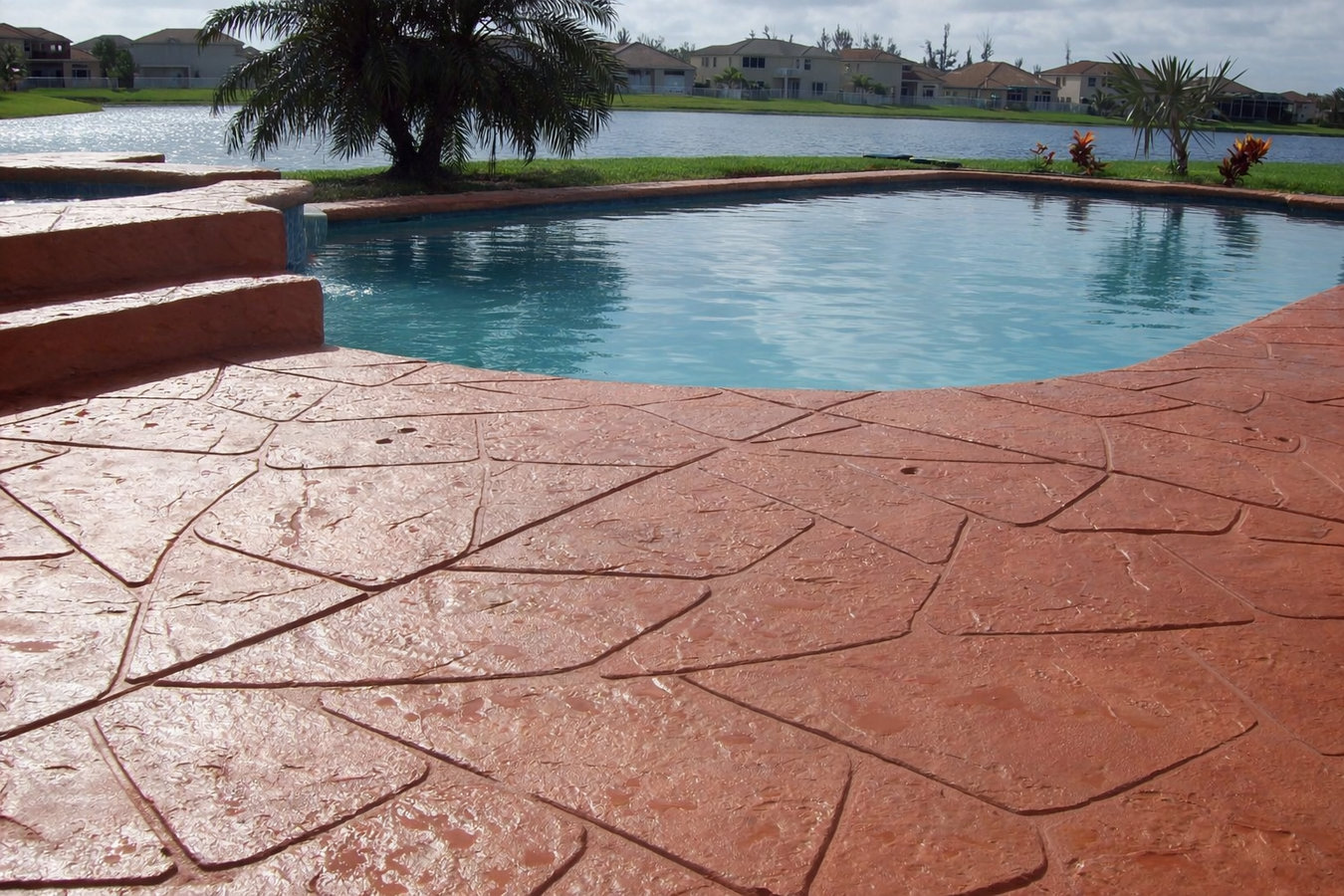
New Haven homeowners in East Rock and Westville often want exterior concrete that complements an older home's character rather than clashing with it. Our stamped concrete services produce walkways, patio surfaces, and entry areas with the look of stone, brick, or slate - materials historically common on New Haven's Victorian and craftsman properties - at a cost that does not require replacing a natural stone installation. The texture and color can be matched closely to the existing character of the home.
Driveways in New Haven's denser neighborhoods - shared approaches off narrow city streets, tight side-yard runs between houses only feet apart - take daily use on top of winter freeze-thaw damage. Original concrete from the mid-20th century in areas like Westville and Beaver Hills is often at the end of its life, with widespread cracking and spalling that no longer seals cleanly. A full replacement with an air-entrained mix and a compacted stone base gives these driveways another generation of useful life.
Many New Haven homeowners in Westville and East Shore have more usable backyard space than the city's denser streets might suggest, and they want outdoor surfaces that do not need the constant maintenance that wood decking or interlocking pavers require. A poured concrete patio with a proper drainage slope and a sealed surface handles New Haven's humid summers and wet springs without warping, sinking, or requiring annual attention.
Front entry steps on New Haven's Victorian and Queen Anne homes in East Rock - and on the triple-deckers throughout Dwight and the Hill - were often set without footings and have been gradually settling, cracking, and pulling away from the house for decades. Steps that shift underfoot in wet or icy conditions are a hazard. Replacing them on footings set below New Haven's frost line stops the seasonal movement and gives both homeowners and tenants a stable entry year-round.
Homes near East Rock Park and in the hillier parts of New Haven often have sloped lots where yard soil and drainage need to be held back from the foundation or the neighboring property. Older masonry retaining walls in these areas frequently lack drainage behind them, causing hydrostatic pressure to build and push the wall outward over time. A properly engineered concrete retaining wall with drainage aggregate and weep holes eliminates that pressure buildup and holds position through heavy rains and soil saturation.
New Haven's older housing stock includes many homes where additions, garage conversions, or accessory structures have been built without proper slab foundations. An addition poured on inadequate depth or without reinforcement will show cracks and settlement within years in New Haven's frost conditions. A correctly specified slab - built to current frost depth requirements and reinforced to handle the structure above it - is the baseline that keeps everything else in alignment.
New Haven is one of the oldest cities in the country, and most of its housing reflects that. Census data shows that a very large share of New Haven homes were built before 1940, with a significant portion dating to before 1920. That means foundations, front walks, porch slabs, and driveway approaches that were poured generations ago - without air-entrained concrete mixes, without modern reinforcement depth standards, and in many cases without a proper compacted base below them. These materials have been working through New Haven's freeze-thaw cycle every winter since they were poured. The city's coastal proximity to Long Island Sound means temperatures swing above and below freezing repeatedly during winter months rather than holding steadily cold, and that cycle - water freezing, expanding inside concrete, then thawing and contracting - is the primary force that breaks down old slabs year after year. By the time a homeowner notices widespread cracking, the underlying damage is typically much older than the visible surface failure.
New Haven's housing variety also creates genuinely different technical requirements from one neighborhood to the next. East Rock's large Victorian and Queen Anne homes have steep front entries, wide decorative porches, and stone or brick-look exterior details that homeowners want to match when replacing concrete. Westville's craftsman bungalows have modest but well-maintained yards where a stamped patio or clean driveway replacement needs to fit the character of the home. The triple-deckers throughout Dwight, the Hill, and Fair Haven have shared entries and approaches where tenant coordination and access planning affect how the job gets scheduled and executed. A contractor who has not worked across New Haven's neighborhood mix will often bring the wrong approach for a given property type.
Our crew works throughout New Haven regularly, and we understand the local conditions that affect concrete work here. We pull permits through the City of New Haven for any structural work requiring a permit, and we verify requirements before scheduling to avoid mid-project delays. New Haven's building department handles a high volume of older-home renovation work, and we know the standard timelines for permit approval that affect when we can realistically start a job.
The city's neighborhoods have genuinely different site conditions that matter for concrete work. East Rock's tree-lined streets have root systems that can complicate sub-base prep on driveways and front walks. Westville lots tend to be slightly more open, with better equipment access than the denser streets closer to downtown. Fair Haven along the Quinnipiac River sits in a lower elevation where drainage considerations are more critical than on the upland properties near East Rock Park. The streets around the New Haven Green and Yale's campus involve more pedestrian traffic, parking restrictions, and city oversight that we plan around before scheduling.
We also serve the areas that surround New Haven. To the southwest, we work regularly in Milford - another coastal community with similar older housing stock and frost conditions. North of New Haven, we cover Meriden as well, so if you have work at multiple locations in the area, we can plan efficiently.
Call us at (475) 897-6123 or submit a request through our contact form. We reply to every New Haven inquiry within one business day - often the same day for calls received before noon.
We visit the property to assess the existing concrete condition, sub-base, drainage, access, and any permit requirements. The written estimate covers everything - full scope, materials, and total cost. There is no obligation and no pressure. You do not have to be present for the full assessment, though walking the site together usually answers questions faster.
We schedule around permit approvals, your availability, and New Haven's weather. For multi-family properties in Dwight or the Hill, we confirm tenant coordination and access before the start date. Concrete truck routes and equipment staging are confirmed in advance for jobs on narrow city streets.
After the pour, we review the cure timeline with you - 24 to 48 hours before foot traffic, 7 days before vehicle use. For stamped concrete, we cover sealer application timing. We leave the site clean and answer any questions before we go.
Whether you own a Victorian in East Rock or a triple-decker on the Hill, we assess your specific site and give you a clear written price with no pressure.
(475) 897-6123New Haven is one of the oldest cities in the United States, founded in 1638, and its neighborhoods reflect centuries of distinct development. East Rock, named for the dramatic 366-foot basalt ridge that defines the neighborhood's northeastern edge, is one of the city's most desirable residential areas - full of large Victorian and Queen Anne homes built between the 1880s and 1910s, with steep rooflines, wide front porches, and decorative woodwork maintained by long-term owner-occupants. Westville, in the western part of the city, has craftsman bungalows and colonial revivals mostly from the 1910s to 1950s, with a strong owner-occupant culture and modest lots that are well kept. Beaver Hills, Dwight, the Hill, and Fair Haven each have their own character - ranging from denser triple-decker rental stock to older single-family homes along the Quinnipiac River in Fair Haven.
Yale University occupies the center of the city and is the dominant institutional presence in downtown New Haven, with Gothic stone buildings surrounding the historic New Haven Green. The city's economy draws a mix of long-term residents and people who are here for a few years for school or medical training - but the owner-occupied neighborhoods like East Rock and Westville have homeowners who invest in their properties and take pride in maintaining the character of their homes. Nearby Milford to the southwest has a similar mix of older homes and coastal conditions, and we serve homeowners across both cities.
Get a durable, professionally poured concrete driveway built to last.
Learn MoreFull foundation installations built for long-term structural integrity.
Learn MoreCommercial-grade concrete parking lots built to handle heavy traffic.
Learn MoreFrom stamped entry walks on East Rock Victorians to driveway replacements in Westville, Shelton Concrete serves homeowners across New Haven. Call today and we will be in touch within one business day.