Loading...
Serving Shelton, CT and surrounding areas. (475) 897-6123
Shelton Concrete works with Norwalk homeowners on sidewalks, driveways, patios, steps, retaining walls, and pool decks. From SoNo and East Norwalk to Rowayton and Silvermine, Norwalk has diverse housing stock and conditions - coastal salt air near the water, wooded slopes inland, and freeze-thaw winters throughout. We reply to new inquiries within one business day.
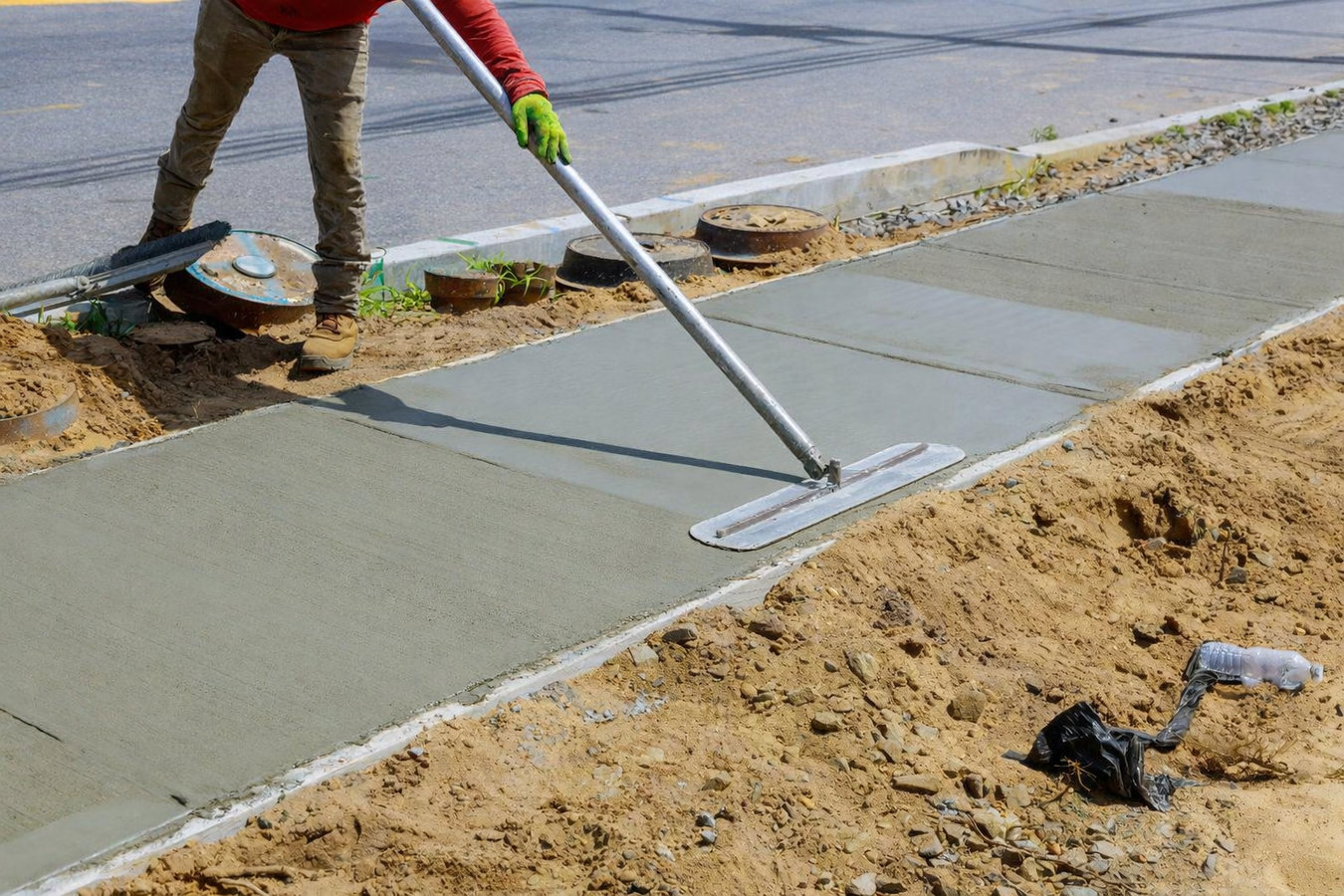
Norwalk has many older walkways - front paths, side entries, and connecting walks - that have cracked or settled from decades of freeze-thaw cycles and tree root growth. Cracked and uneven walks are a tripping hazard and a liability concern, especially in neighborhoods with tight lot lines where everyone uses the same entry path. Our concrete sidewalk building service covers full replacement with a compacted base and a mix specified for Connecticut frost conditions, giving Norwalk homes a level, durable walk that does not require individual section repairs every spring.
Many Norwalk driveways - particularly on the Colonial and Cape Cod homes throughout East Norwalk and Cranbury - are original mid-century pours that have been losing ground to freeze-thaw cycles for years. Wide cracking, low spots that collect water, and spalled surfaces that no longer seal cleanly are signs that the slab is at the end of its life. A full replacement using an air-entrained mix and a properly compacted base gives these driveways another generation of use without ongoing patch-and-seal cycles each fall.
Norwalk homeowners in Silvermine and the Cranbury area often have generous backyard space and want an outdoor surface that handles the humidity and summer storms that come with a Long Island Sound climate - without the warping of wood or the joint maintenance of interlocking pavers. A poured concrete patio with a sealed surface and proper drainage slope holds up season after season without needing annual attention, and it provides a stable base for furniture or structures that pavers cannot always match.
Norwalk properties with pools - more common in the larger-lot neighborhoods like Silvermine and West Norwalk - need pool deck surfaces that handle the combination of heavy water exposure in summer and freeze-thaw stress in winter. Pool decks that were poured without an adequate draining slope develop water pooling and accelerated cracking as the concrete ages. A properly sloped and finished concrete pool deck with a slip-resistant texture suits the demands of a coastal Connecticut climate where the surface goes through wide seasonal temperature swings.
Front entry steps on Norwalk's older Colonials and Cape Cods - homes throughout East Norwalk and South Norwalk built in the 1930s, 1940s, and 1950s - were commonly set without footings below the frost line and have been gradually pulling away from the house foundation as the ground moves each winter. Steps that shift or crack underfoot on an icy morning are a safety concern. Replacing them on footings set to Connecticut frost depth requirements ends the seasonal movement and restores a level, stable entry to the home.
Sloped lots in the Silvermine and Cranbury neighborhoods often require retaining walls to manage soil movement on properties with mature trees and hillside grades. Older masonry retaining walls in these areas frequently lack drainage behind them, allowing water to build up and push the wall outward over seasons. A concrete retaining wall built with drainage aggregate and weep holes relieves that pressure and holds position through Norwalk's wet winters and spring rains without the cracking and tipping that eventually fails under-drained walls.
Norwalk is a coastal city on Long Island Sound with one of the most varied housing stocks in Fairfield County. A significant share of the city's homes were built before 1960, and many go back to the 1920s and 1930s. Those homes have concrete that was poured to the standards of its era - typically without air-entraining admixtures, without modern frost-depth footing requirements, and without the mix designs that hold up to repeated freeze-thaw cycling. Norwalk averages around 25 inches of snow per year, and the winter temperature pattern - repeatedly above and below freezing throughout December, January, and February - is exactly the condition that destroys old concrete slabs and walkways most efficiently. Water gets into any surface crack, freezes overnight, expands slightly, and thaws the next afternoon. Across a winter of 30 or 40 of those cycles, it widens existing damage and opens new failures. For homes with 60- or 70-year-old concrete, that process has been running for a long time before the surface shows how far along the deterioration actually is.
Coastal exposure adds a separate concern for properties near Long Island Sound - in Rowayton, East Norwalk, and the neighborhoods around Calf Pasture Beach. Salt air carried by coastal winds penetrates unprotected concrete surfaces and causes long-term deterioration that inland properties do not face. Norwalk also sits in a FEMA-designated coastal flood hazard area in several of its low-lying neighborhoods, which means slabs and drainage systems in those locations need to be designed with that risk in mind. A contractor without coastal experience will often specify the same mix and drainage approach they would use inland, which leads to faster surface failure in the areas nearest the water. Norwalk's inland neighborhoods - Silvermine, Cranbury, and the residential streets off Route 7 in the north - have their own set of considerations: wooded lots with mature trees whose roots damage driveways and walks over time, and sloped terrain that creates drainage and soil movement challenges that flat-lot properties do not have.
Our crew works throughout Norwalk regularly, and we understand how the housing stock and site conditions differ from one part of the city to another. We coordinate with the City of Norwalk for permit requirements on sidewalk work in the public right-of-way and for structural concrete projects, and we verify those requirements before scheduling to keep projects on track. For coastal properties, we know when to specify a denser, lower-permeability mix and a penetrating sealer - details that matter in Rowayton and East Norwalk but are not always necessary a few miles north.
Norwalk is a city we know neighborhood by neighborhood. SoNo - South Norwalk - is the densest, most urban section, with older housing on tight lots where access planning for a concrete job matters more than it does on a suburban street. East Norwalk and the areas near The Maritime Aquarium have a mix of older homes and recently renovated properties where homeowners want concrete that matches the visual character of the house. Out in Silvermine and Cranbury, the larger lots and wooded terrain mean more drainage work and occasional root removal before a new slab can be poured correctly. We also serve neighboring Bridgeport to the northeast, where many of the same older-housing and winter concrete challenges apply.
Rowayton, Norwalk's coastal village near Five Mile River, has beach cottages and renovated homes on tight lots close to the water. Limited equipment access is common in that area, and we assess clearance and access during the estimate visit so the job is planned correctly from the start. The Shelton office is our home base, and we run jobs across Fairfield County and into New Haven County regularly - Norwalk is well within our regular service area, not a far-out stop.
Call or submit the contact form. We respond to every Norwalk inquiry within one business day. You do not need a finished scope - describing the problem or the project in general terms is enough to schedule the site visit.
We visit the Norwalk property to assess existing conditions - including the base, drainage, access, and any coastal or site-specific factors. You receive a written estimate covering full scope, materials, and cost before any commitment. No charge for the estimate.
We schedule around Norwalk weather and will not pour concrete below 40 degrees Fahrenheit or with rain forecast within 24 hours. For most jobs, you need to be available at the start of the project day, but you do not need to be present throughout the work.
We clean up the site at the end of the job and walk you through the cure timeline - typically 24 to 48 hours before foot traffic and 7 days before vehicle use. For coastal properties and decorative finishes, we return after the cure period to apply sealer, which extends the surface life significantly in Norwalk's climate.
We serve homeowners throughout Norwalk, CT - from SoNo and Rowayton to Silvermine and Cranbury. Free estimates, written quotes, and replies within one business day.
(475) 897-6123Norwalk is one of Connecticut's larger cities, with roughly 91,000 residents and a shoreline along Long Island Sound. The city is divided into several distinct neighborhoods and villages, each with its own character and housing stock. South Norwalk - known to locals as SoNo - is the most urban section, centered on the Norwalk River, with restaurants, shops, and the South Norwalk Metro-North station. East Norwalk has older residential streets close to the waterfront. Rowayton, which has its own zip code and strong local identity, sits at the mouth of Five Mile River and has a mix of original beach cottages and larger renovated homes on small lots near the water. Inland neighborhoods like Silvermine and Cranbury have larger residential lots, wooded terrain, and mid-20th-century homes set well back from the road. Median home values in Norwalk are well above the state average, and homeowners here tend to invest in maintaining their properties - the concrete work we do in Norwalk reflects that expectation. We also serve homeowners across Fairfield County, including those in neighboring Bridgeport, just northeast along the coast.
The housing stock in Norwalk runs primarily to Colonials, Cape Cods, and older New England two-story homes - the most common style across East Norwalk, Cranbury, and the residential streets off the main corridors. A large portion of these homes were built before 1960, and many of the concrete driveways, walkways, and steps poured when those houses were new are now well past their designed service life. The combination of age, coastal salt air for waterfront properties, and Connecticut's freeze-thaw winters accelerates the deterioration that eventually leads to replacement calls. Calf Pasture Beach is Norwalk's main public beach along Long Island Sound, and properties anywhere near that shoreline sit in conditions that work harder on exterior concrete than inland locations. We understand those differences and account for them when we specify materials and design drainage on every Norwalk project. For homeowners in the Shelton area and across the lower Naugatuck and Housatonic River valleys, we provide the same level of service and bring the same on-the-ground knowledge that we carry into every Norwalk job.
Get a durable, professionally poured concrete driveway built to last.
Learn MoreFull foundation installations built for long-term structural integrity.
Learn MoreCommercial-grade concrete parking lots built to handle heavy traffic.
Learn MoreShelton Concrete serves homeowners throughout Norwalk, CT - from the SoNo waterfront to Silvermine. Call now or submit a request and we will reply within one business day with a written, no-obligation estimate.