Loading...
Serving Shelton, CT and surrounding areas. (475) 897-6123
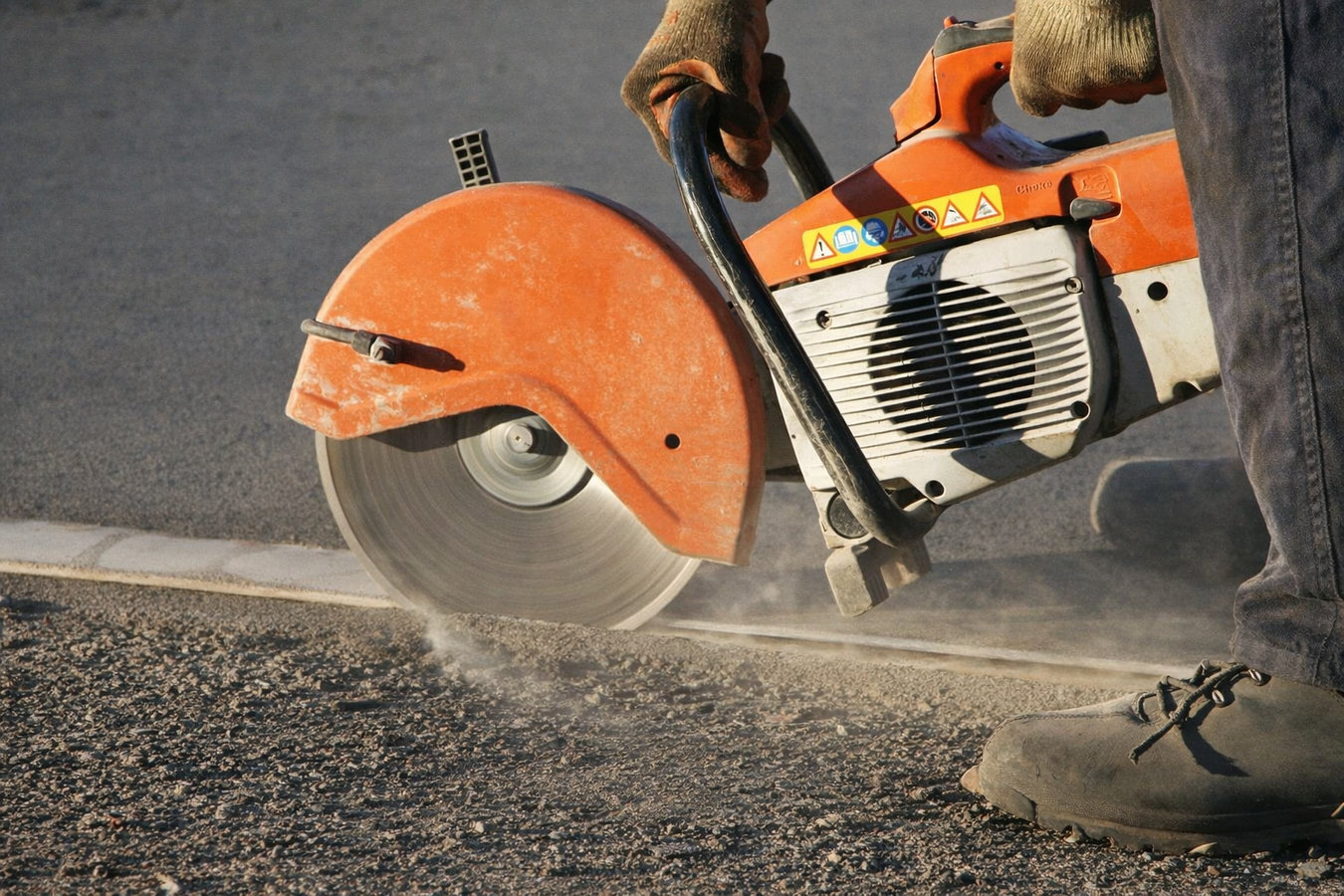
Whether you need a cracked driveway section removed, a utility trench opened, or a doorway cut through a foundation wall, we use diamond-blade saws and wet-cut dust control to get the job done cleanly and correctly.
Concrete cutting in Shelton uses diamond-tipped saws to slice through hardened concrete cleanly and precisely - removing damaged driveway sections, opening utility trenches, and creating doorway or window openings in foundation walls, with most residential jobs completed in a single day.
When concrete is cracked, heaved, or in the way of a renovation project, a sledgehammer is the wrong tool - it sends fractures into surrounding slabs and leaves jagged edges. Concrete cutting gives you a straight, controlled result: the section you need removed comes out cleanly, and the concrete next to it stays intact. In Shelton, where older housing stock means older and more brittle concrete, getting this right requires a contractor who knows how to read a slab before picking up a saw.
Cutting is often the first step in a larger project. Homeowners dealing with a sunken or settled slab sometimes need cutting before concrete driveway building or before a new concrete parking lot section is poured in its place.
If part of your driveway has risen above or dropped below the surrounding surface, the concrete has shifted - often because of Shelton's freeze-thaw cycles pushing the ground underneath. A raised edge you trip over, a low spot that collects water, or a slab that rocks when you step on it are all signs. Cutting out and removing the damaged section is usually the first step before any repair or replacement.
Hairline cracks in concrete are normal. But when a crack has opened up to a quarter inch or wider, water is getting in, and in Shelton's winters that water will freeze, expand, and make the crack larger every year. If you can slide a finger into a crack in your driveway or basement floor, it is past the point of simple sealing.
Any time a plumber, electrician, or contractor needs to run a new line through a concrete floor or wall - or when you are adding a basement egress window or door - concrete cutting is how that opening gets made cleanly. If someone suggests using a sledgehammer for this kind of work, the surrounding concrete is likely to crack in ways you did not plan for.
If water collects in a low spot in your basement floor after heavy rain, a drainage trench cut into the concrete floor may be part of the solution. Shelton's clay-heavy soils in some neighborhoods drain slowly, which makes this a more common issue here than in areas with sandier ground. A concrete contractor can cut a channel for a drain system that redirects water before it causes bigger problems.
We handle concrete cutting for driveways, basement floors, foundation walls, walkways, and utility trenches throughout Shelton and the Naugatuck Valley. Every job starts with a site visit to assess the thickness and condition of the concrete, check for steel reinforcement, and confirm what permit - if any - the work requires with the Shelton Building Department. We use diamond-blade walk-behind saws for flat slab work, hand-held saws for tighter areas, and wall saws for foundation openings. All exterior work and indoor jobs where dust is a concern use wet cutting to keep airborne particles controlled. When projects involve a follow-up pour, we can handle that as well, and for projects tied to driveway or parking lot replacement, we coordinate the cutting with concrete driveway building so the whole job moves under one contractor.
For projects where drainage or foundation settling is also part of the picture, cutting often pairs with concrete parking lot building or with foundation work. We price the full scope together when that makes sense, so you are not managing two separate contractors and two separate invoices for work that is happening on the same slab.
Suits homeowners who need a heaved, cracked, or settled driveway panel removed cleanly before repair or replacement.
Suits homeowners or contractors adding plumbing, electrical conduit, or a basement drainage channel through an existing concrete floor.
Suits homeowners creating a new egress window, door, or utility penetration through a poured concrete or block foundation wall.
Suits homeowners addressing a cracked or uneven basement floor section, or installing an interior drain system.
Much of Shelton's residential development happened in the mid-20th century, and a significant portion of the city's driveways, walkways, and basement floors are 40 to 60 years old. Older concrete is often thinner and more brittle than what is poured today, and decades of Shelton's freeze-thaw cycles have made it more likely to crack unexpectedly during cutting. A contractor who cuts a lot of newer suburban slabs and then shows up on a 1955 Huntington neighborhood job without adjusting their approach is going to have problems. The underlying geology adds another layer - Shelton's lower Naugatuck Valley terrain means rocky, uneven ground beneath many slabs, and any cutting that involves trenching or ground disturbance requires checking what is underneath first. Connecticut law requires contractors to notify the state utility notification service before any ground-disturbing work, and a contractor who skips that step is putting your property - and your neighbors' utility lines - at risk. OSHA's silica dust standards also require proper dust control during any concrete cutting, which is why we use wet cutting on every job where it is feasible.
We work throughout the valley, including Naugatuck and Derby, where the same combination of older housing stock and variable glacial soils creates the same challenges as in Shelton. Timing matters here too - the best window for exterior concrete cutting and patching is late spring through early fall. Work done too close to the first hard freeze risks failing before the new concrete has had time to cure, and in Shelton that window closes faster than most homeowners expect. Connecticut's State Building Code governs permit requirements for structural concrete work, and we follow it on every applicable job.
We reply within one business day. Tell us where the concrete is, roughly how thick it is, and what the cutting is for. These details help us determine whether a permit is needed and what equipment the job requires before we even visit the site.
We visit to check the concrete thickness and condition, look for steel reinforcement, and assess how accessible the area is for our equipment. You receive a written estimate spelling out exactly what work is included - no verbal ballparks that change once the saw is out.
If the job requires a permit from Shelton's Building Department - common for any work touching a foundation wall or tied to a renovation - we handle the application before work begins. This adds a few days to the timeline but means the work is inspected and documented.
We mark the cut lines, set up wet-cutting equipment to manage dust, and cut in controlled stretches. After the cut sections are removed, we clean the work area and walk the site with you to confirm everything matches what was agreed. Follow-up patching or sealing happens before we leave, or is scheduled as part of the same project.
Written estimate before any work starts. We reply within one business day.
(475) 897-6123We cut with diamond-tipped blades sized for the job - walk-behind saws for large flat slabs, hand-held saws for tighter work, and wall saws for foundation openings. The right blade for the right job means a clean cut edge and no unintended fractures spreading into the surrounding concrete.
Concrete dust contains fine silica particles that become airborne without water cooling the blade. We use wet cutting on all exterior jobs and on indoor work where containment is possible, keeping the work area manageable and protecting the air quality inside your home during the job.
Before any ground-disturbing work begins, we confirm whether a permit is required with the Shelton Building Department and notify Connecticut's utility notification service. These are not optional steps - they protect your property, your neighbors' utility lines, and your legal standing if questions arise later.
Forty- and fifty-year-old concrete behaves differently under a saw than a new pour. We work regularly in Shelton's mid-century neighborhoods and adjust our approach based on what the slab actually looks like - not what a generic price guide assumes. That local experience shows up in the quality of the finished cut.
Concrete cutting is one of those jobs where cutting corners - on equipment, on permits, on dust control - creates problems that cost more to fix than the original job. We do it right the first time so you are not calling someone else to clean up the results.
After a damaged section is cut out and removed, we pour a new driveway panel that matches the existing slab grade and finish.
Learn MoreFor larger commercial or multi-vehicle areas, cutting and removal is the first step toward a full parking surface replacement.
Learn MoreShelton's cutting season closes fast - work scheduled and completed now cures fully before winter. Call today and we will get out to assess the job.